
How our purpose shapes our work

Expanding access to essential medicines
We manufacture and develop a broad range and growing portfolio of generic, specialty and branded pharmaceutical products. Our reach across Europe, North America, the Middle East and North Africa, enables us to support millions of patients.
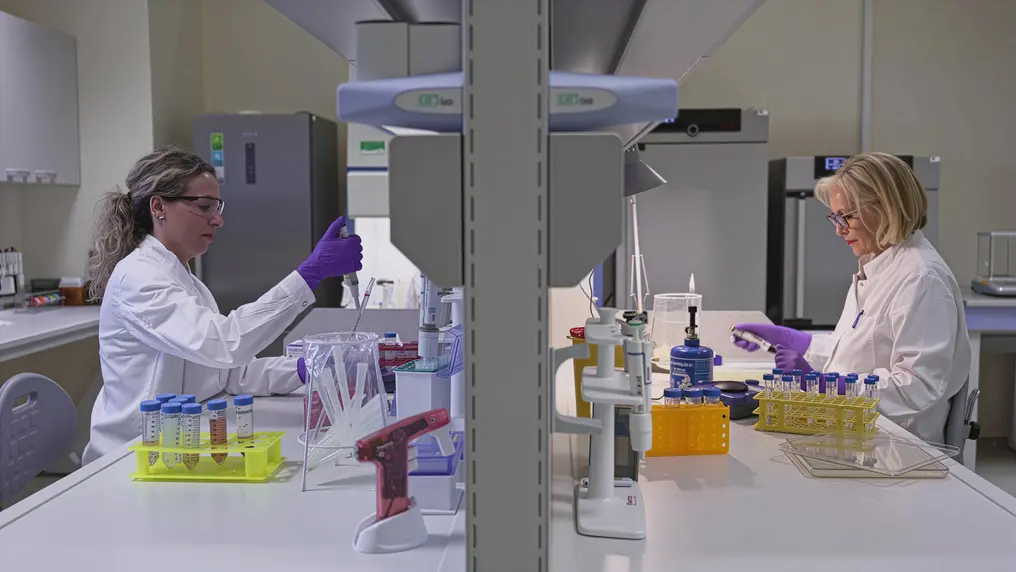
Innovating with purpose
We invest in R&D, technology, and talent to strengthen our portfolio and respond to evolving patient needs.

Delivering trusted quality
Our global manufacturing network operates to rigorous international regulatory standards, ensuring that every product we make meets the highest expectations for safety, consistency, and reliability.

Partnering for greater impact
We work closely with partners to expand access and strengthen healthcare systems for patients and communities.

Empowering our people
Our people bring our purpose to life. Their expertise and commitment drive our success and help us deliver on our purpose.
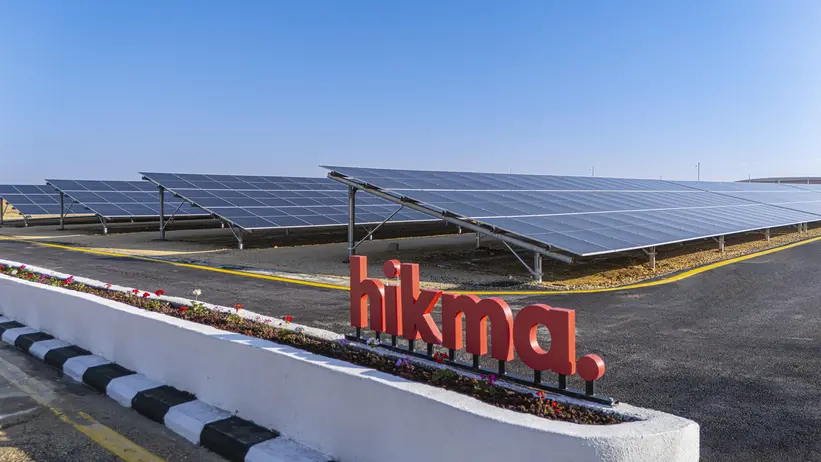
Acting responsibly and sustainably
We are committed to operating responsibly, reducing our environmental footprint, upholding the highest quality and ethical standards, and contributing positively to the communities we serve.
What our purpose means for our stakeholders

For healthcare providers
A dependable partner who understands their needs, helping them treat the patients they serve

For customers
A reliable partner committed to high quality and supply continuity

For employees
Purposeful work, opportunities to grow, and an inclusive environment built on a culture of progress and belonging

For communities and the environment
Enhanced healthcare access for patients and people in need, support for the communities we serve, while minimising our environmental impact

For governments and regulators
A compliant partner, operating in accordance with a wide range of industry and government policies and regulations

For investors
A resilient, responsible business focused on sustainable long-term value creation
Our teams work diligently to stay connected to all of our stakeholders, considering their interests and communicating with them on a regular basis. This helps drive the long-term sustainable growth of our business. It also helps us better understand their needs and informs our day-to-day commercial and operational decisions, our long-term investments in our business and our people, as well as our sustainability framework.
Delivering our purpose
Our vision is of a healthier world that enriches all our communities. For almost 50 years, we have been dedicated to transforming people’s lives by providing the medicine and support that they need every day.
As global health needs evolve, our purpose continues to guide our strategy and ambition. We are strengthening our capabilities, expanding our portfolio, and investing in our future, so we can continue to make a meaningful difference.
Our purpose is a promise to deliver high-quality medicines, to act with as a responsible business, and to help build a healthier future for all.
As global health needs evolve, our purpose continues to guide our strategy and ambition. We are strengthening our capabilities, expanding our portfolio, and investing in our future, so we can continue to make a meaningful difference.
Our purpose is a promise to deliver high-quality medicines, to act with as a responsible business, and to help build a healthier future for all.

Our purpose in action


Learn more about Hikma


Sustainability reporting
We are dedicated to ensuring patients across the US, Canada, Europe, and the MENA region have access to high-quality medicines. Our mission is to advance health and wellbeing by empowering our people, protecting the environment, and operating with transparency and ethically.
