
What makes someone join a company — and stay to build a career? In Behind Better Health: Hikma's People, Walid Khalifeh, VP, North America People sits down with Chief People Officer Hussein Arkhagha and VP of Total Rewards Claire Whieldon to explore what putting people first really means. Watch now.

Walid: Hello, and welcome to "Behind better health," a Hikma podcast. In this episode, we focus on Hikma's people, why they join, why they stay, and how they make a real impact on global health by making high-quality medicines accessible to the patients that need them.
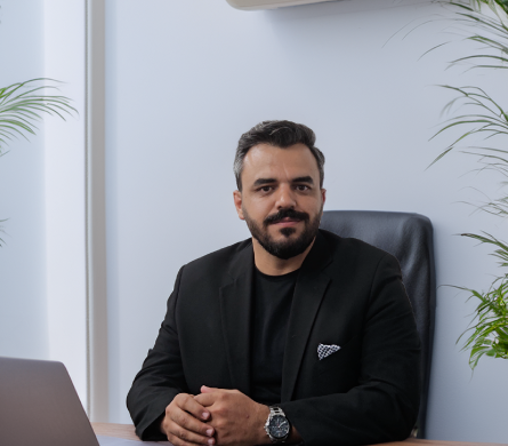
My name is Walid Khalifa, and I'm the VP for the North America People function, and I'm joined by two of my colleagues on the People team, Hussein Arkhaga, our Chief People Officer. Thank you, Hussein, for joining. How are you doing today?
Hussein: Very well. Thank you, Walid.
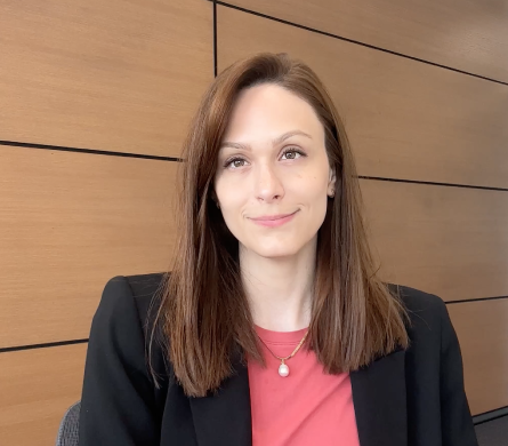
Walid: Thanks, Hussein. And Claire Whieldon, our VP of our Total Rewards. How are you doing, Claire? How's London today?
Claire: London is great. Thank you.
Walid: For those of you who are new to the Hikma story, Hikma was founded in Jordan almost 50 years ago. Today, we are a global pharmaceutical company listed on the London Stock Exchange and have around 10,000 people making generic specialty and branded medicines in North America, Europe, and the Middle East.
Hussein, if I could start with you. You've chosen to stay with Hikma for 25 years and counting, and during your long career, you've moved around the organisation in a variety of roles. What would you say makes Hikma special, somewhere where you've stayed and built a career?
Hussein: One of the things that make Hikma different is the opportunities it provides for its people and their development and growth opportunities. In my own case, I started in Legal, then moved into tax, Company Secretary, and compliance, then moved into People.
A second differentiator for Hikma is our founder's legacy. The late Samir Darwhaza built this business on the genuine belief that the people are at the cornerstone of building a global business, and today, we're still continuing with that in our daily practices, and we have never lost our founder's family values of loyalty, trust, respect, empathy, integrity, and long-term thinking while upholding the highest standards of governance as a publicly listed company in the UK.
The third, and perhaps most important differentiator for Hikma, is the shared sense of purpose that our people have, which is putting better health within reach every day.
So whether you are an operator, scientist, quality professional, or in supply chain, or in a corporate function, you know that your work makes a difference and that you matter enormously to Hikma.
Walid: No, I totally agree with you, Hussein. To me at least, this is a place where people feel that there's a purpose. Claire, you've been with us for about two years. What is it about Hikma that really stands out?
Claire: I think what's special about Hikma is the size of the organisation. We're a three billion-plus global business, but Hussein said we still have that family feeling, and that goes right through the organisation. So we're at the size where actually people are really empowered to make decisions on the ground. So they make decisions about the things that they're closest to and what they know best. So actually, that's really satisfying for our people to know that they can actually influence what happens through the organisation.
And everybody's known here. Because of the size of the organisation, you're not anonymous, so your contribution gets noticed, and everybody knows your name through your peers, your managers, and leaders across the organisation. So actually, the difference you make is really, really valued.
But one of the things that I was really surprised about when I joined Hikma a couple of years ago was that people don't just have long tenure in the organisation, like Hussein, but people do move around the organisation a lot as they develop their careers. And this is a real strength because people get to see different parts of the business and understand how it can work together as one organisation, and that's quite rare, and I think that's one of the reasons why people stay such a long time.
Walid: Oh, I absolutely agree. I'm one example. I was with the legal team, and I moved on to the People function, and people have had second and third careers at Hikma where they're doing things totally differently. But also, we've had people who started as interns or temp workers who moved on to full-time roles and now are leading functions across Hikma as an organisation, and we've shared some of their profiles on the link to this podcast.
Claire, you're looking at how we're rewarding our people but also how we're contributing to their empowerment, and can you give us some examples on how we've done that at Hikma?
Claire: Like many organizations, Hikma carries out a people voice survey.
So one of the things that we heard was that people felt that we had a very small number of grades in the organization that they could move to and be recognised for their career development. So people were being frustrated that they weren't getting the recognition that they really deserved. So we listened to that, and as a result, we implemented a whole new grading system. We put more levels of grades in, and it had a massive impact because we increased the number of people that we promoted each year. So we were actually able to recognise those small increases in progression that people had, and that was really important for them to know that we were seeing what they were doing and how they were developing.
But more than that, I've also seen at Hikma things that I haven't seen in any other organisation that I've worked in. So a couple of the examples I can share with you on that, Walid.
Hikma has a disability support programme. So I've seen this in KSA and in Egypt. So this is where we support families who have relatives with disability. So we're not only looking at them as an employee at Hikma in their work life, we're looking at them as part of the family. So we're looking at what their family needs as support as well.
Another example is we support education for our people,and like many organizations, we support it while people are in work. But Hikma's different because we also look at the families of our employees as well and how can we support them with their education where it may not be accessible to them in their local country
Walid: Thank you, Claire. No, I totally agree. How we look after our people inside the business is inseparable, absolutely inseparable from how we deliver our mission and support the communities that we operate in. And Hussein, you've been at Hikma for over 25 years. You've been involved in a lot of programmes over the years. What are the programmes that really stood out for you? What are the efforts that you think really put Hikma out there?
Hussein: To build on what Claire mentioned earlier, we listen to our people and act upon what we hear from them. We also care about the communities we operate in, just like we care about our people.
So our reach on a global scale is for 222 million patients, and in CSR donations last year, we contributed around 2.6 million in medicine donations. And we have so many stories around our products and how they change patients' life around the world.
Walid: No, absolutely. I think that's what really is the underlying current, is caring, whether it's caring for our people or for the patients that we serve.
Claire and Hussein, what is one thing about Hikma that you think we don't really see in the job descriptions and postings that we have out there?
Hussein: What I can say is that our people are the cornerstone of our company, and they are the advocates for it. They are very proud of our purpose and proud the way that they work together, proud of being a global company that works as a local one, and proud of the way that we make real difference in the patients' lives around the world.
Claire: For me, I think if you asked me to choose a word that described Hikma, I would say it'd be warmth, because when you join Hikma, you don't just join a company, you actually join a community, and you join a family. So therefore, you're not just a number. You're treated as a real person.
And I think that one story I can bring to life to explain that is that when I joined Hikma a couple of years ago, within two weeks of joining, I was invited to go to the Global Leadership Conference, and by that point, I knew hardly anybody in the organisation. So I walked into a room full of people, not really knowing anyone, which can be quite intimidating. But very rapidly, people came to welcome me into the organisation, and I walked out within a couple of days with hundreds of friends across the organisation and a really strong network. And that's something that's quite special that I haven't found in other places, where you have to work hard to work your way into the culture. Hikma's warm and welcoming, and that's something that's quite special.
Walid: And this is what I love about Hikma. From the entry level to leadership roles, you're always welcomed, and you're always invited to be part of the team.
In any case, thank you so much, Claire, and thank you, Hussein, for your time. I really appreciate it. And thank you to our listeners and viewers who joined this podcast.
If you want to learn more about Hikma, please go to www.hikma.com.

Progress and belonging
We are committed to creating an environment where everyone can grow, contribute, and feel they truly belong. Progress means encouraging curiosity, learning, and continuous growth. We invest in our people so they can develop their skills, advance their careers, and shape the future of our business. Belonging means fostering inclusion, collaborating and knowing together we can achieve more. We value different perspectives and ensure every colleague feels heard, supported, and empowered to make an impact.
Learn about working at Hikma


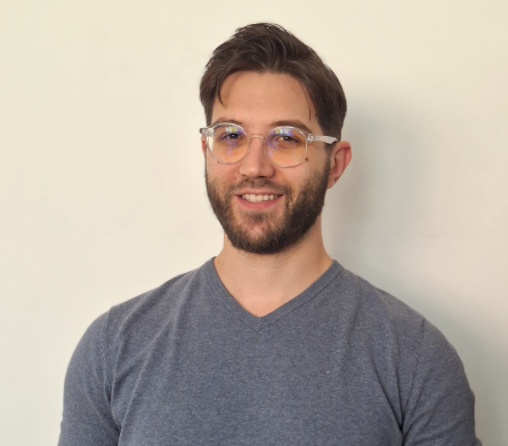
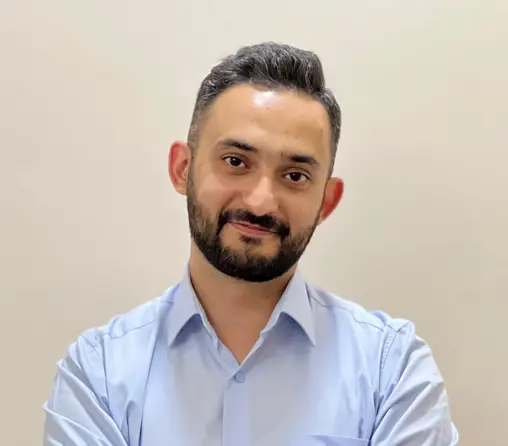
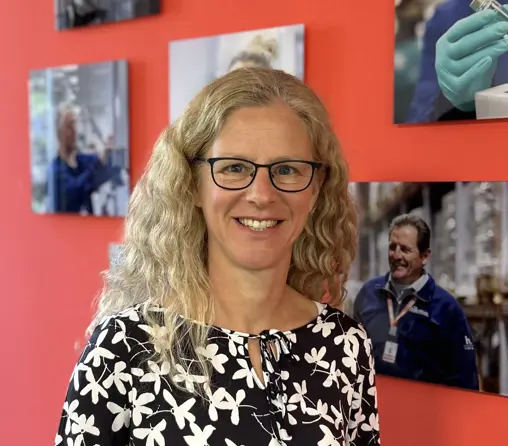
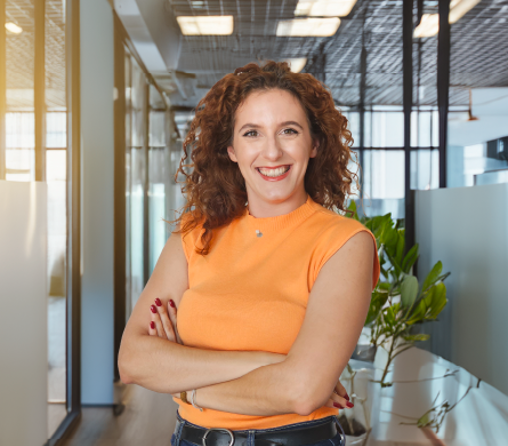

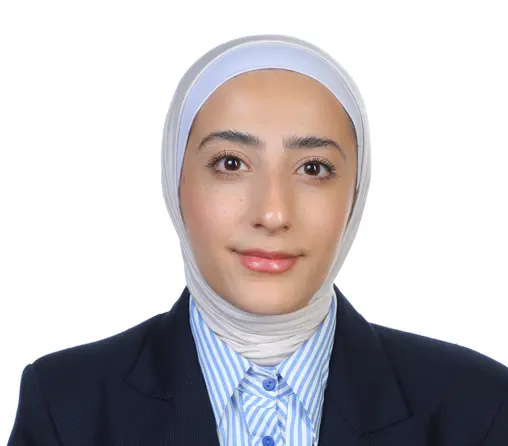
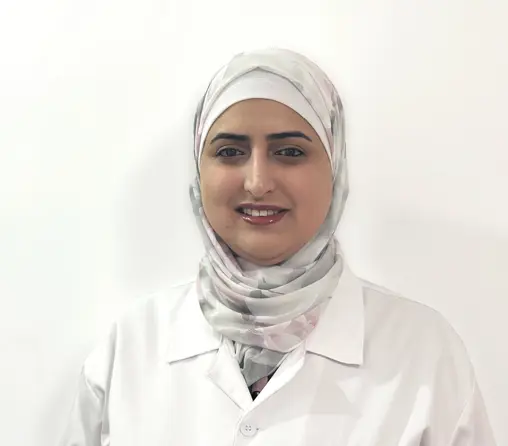
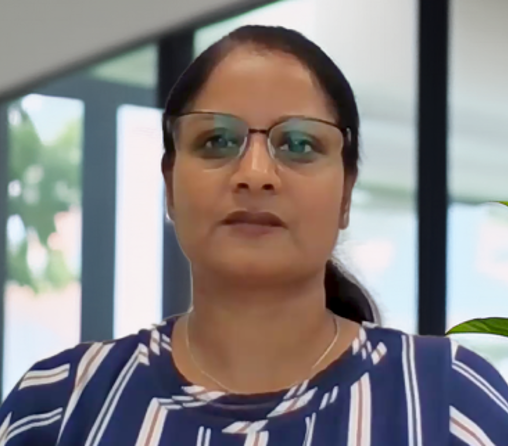
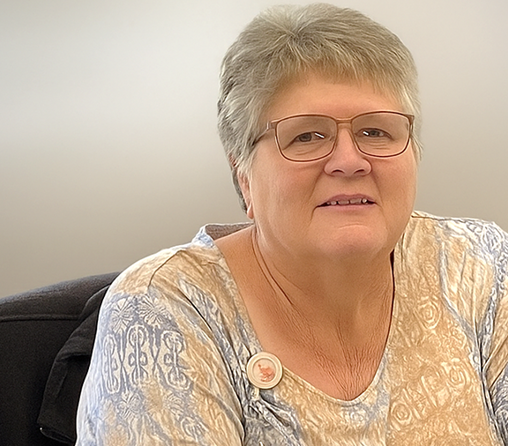
Our values guide how we work, how we treat one another, and how we deliver for the patients and communities who rely on us.
Values lived across every site, team, and role
Caring
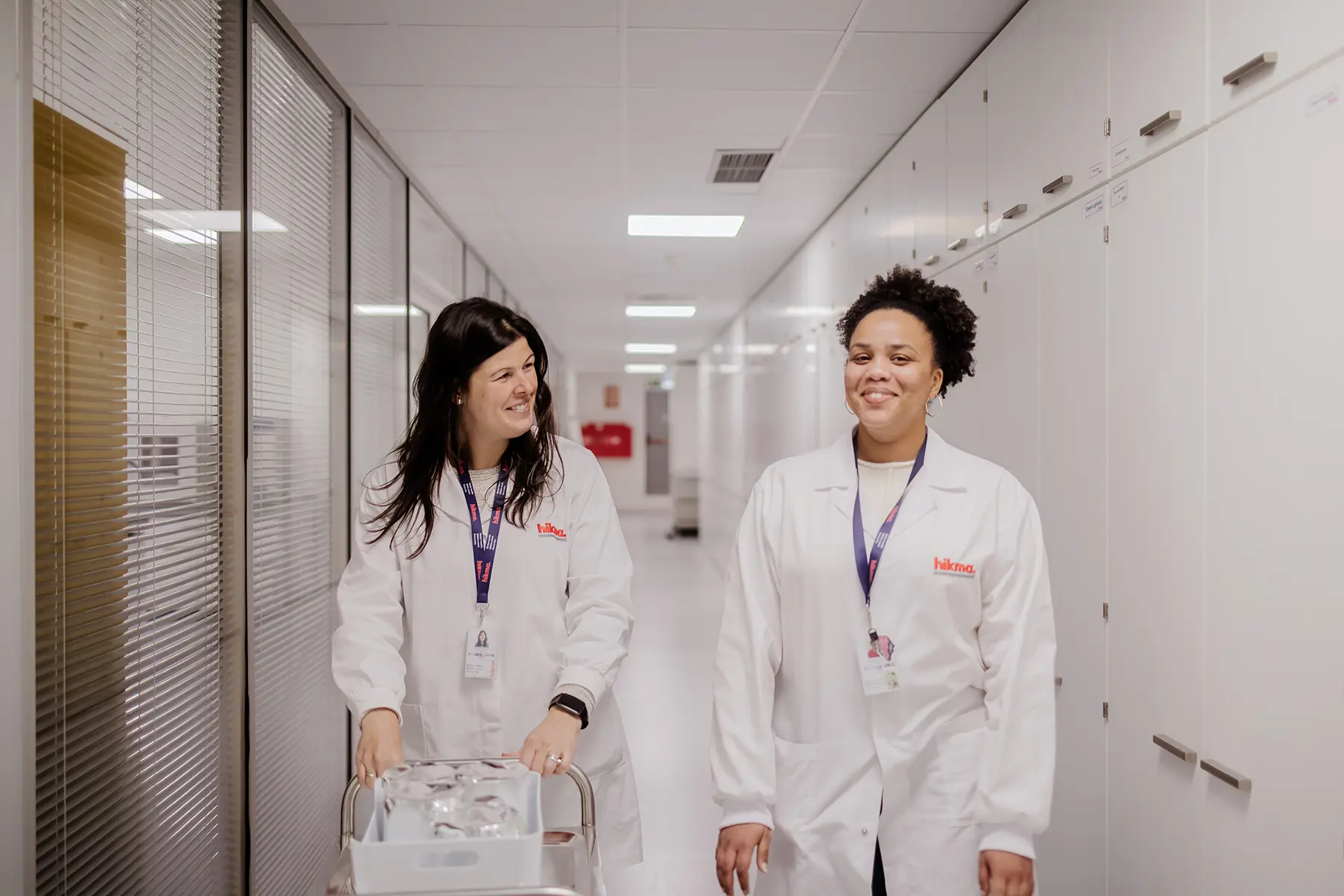
We respect each other, do the right thing acting with integrity, and put patients at the centre of everything we do.
Collaborating
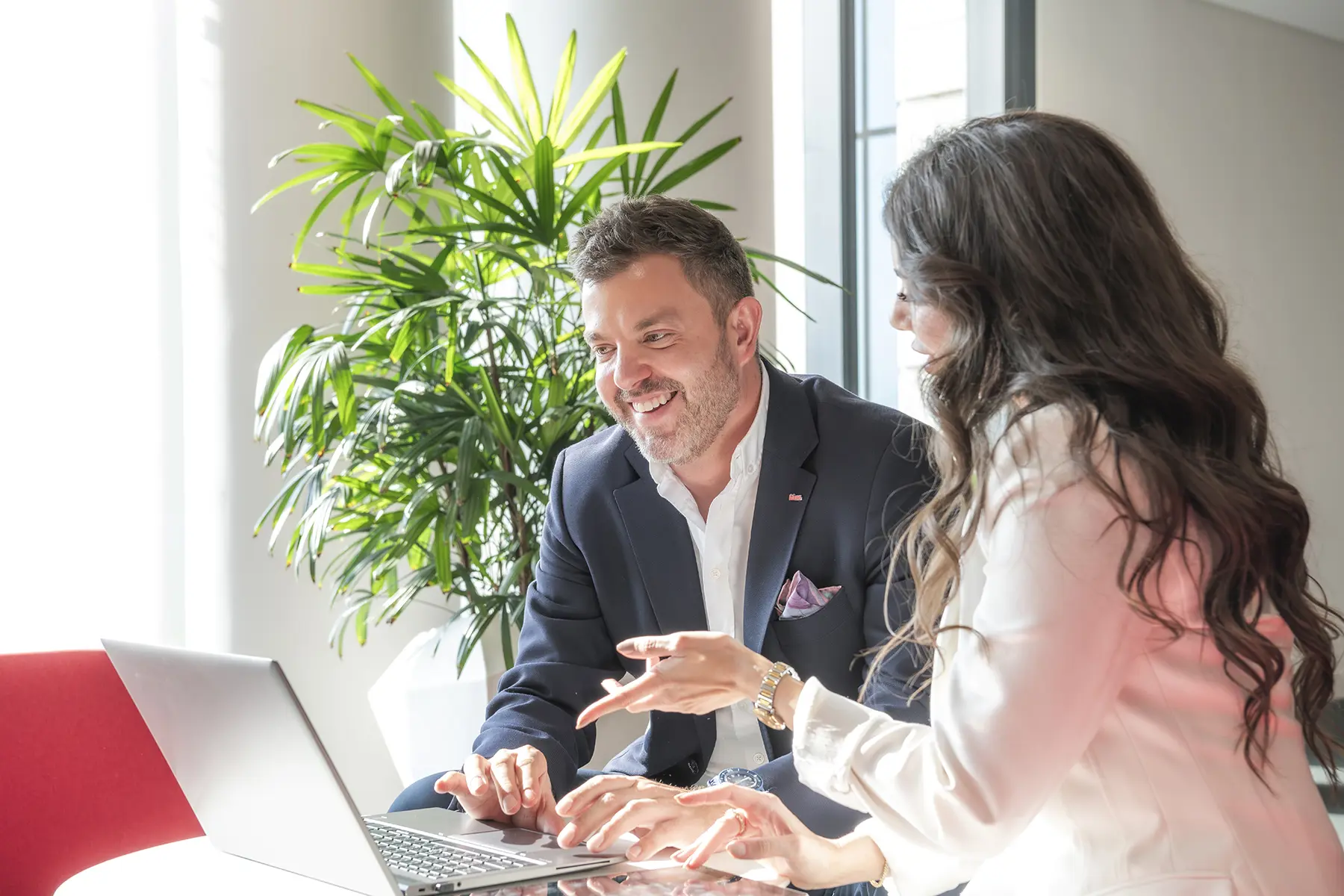
We work as one Hikma. One team, sharing knowledge, taking ownership and building strong partnerships to achieve more together.

Innovating
We keep learning and continuously improve, finding better ways to drive progress across our business.


Awards and recognition
Great Place to Work Certified - KSA
Great Place to Work Certified - Egypt
Great Place to Work Certified - Algeria
Great Place to Work Certified - Morocco
Great Place to Work Certified - Tunisia